x
l o a d i n g
logo

Environment Protection

Environment Conservation

Gram Niyojan Kendra — Protecting the Environment, Strengthening Communities

Since the late 1980s, GNK has worked across ecologically vulnerable regions of India to protect forests, conserve water, restore degraded land, and build community-led environmental stewardship.

Our environmental journey evolved from drought response initiatives to structured conservation programmes — and today includes mangrove restoration in the Sundarbans delta of West Bengal.

Our Journey in Environmental Action

Phase One: United Action Against Drought (1988–1989)

Supported by NORAD and EZE, GNK launched SUNISANKA — mobilising 45 organisations across two states to undertake drought mitigation activities such as well deepening, percolation tanks, contour bunding, social forestry, and cattle camps.

Phase Two: Education and Awareness for Environmental Action (1989–1995)

Working with 143 organisations in Rajasthan and Uttar Pradesh, GNK promoted environmental education, training programmes, exposure visits, and research initiatives to build long-term community capacity.

Phase Three: Training Integrated with Action (1995 onwards)

From June 1995, GNK adopted an integrated model combining structured environmental training with direct field implementation — moving from awareness to measurable ecological restoration and community ownership.

Initially launched across 12 areas in Rajasthan and Uttar Pradesh, the programme supported grassland development, nursery raising using traditional knowledge, soil and water conservation, and sustainable forest management.

Uttarakhand: Four Areas of Environmental Action

In Tehri Garhwal district, GNK implemented focused interventions addressing forest protection, grassland restoration, nursery development, and livelihood promotion — particularly benefiting women.

Fuel-Efficient Crematorium Initiative

GNK promoted an Improved Fuel-Efficient Crematorium across 30 areas to reduce wood consumption by approximately 50%, lowering environmental pressure while maintaining socio-cultural acceptance.

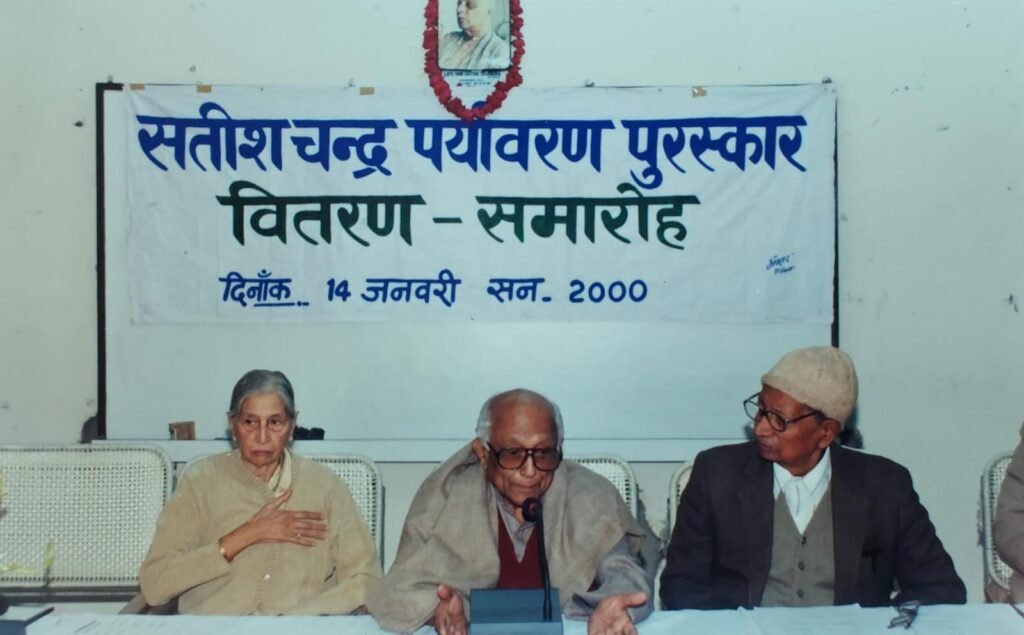
The Satish Chandra Environmental Award (1995–1999)

Instituted in memory of GNK’s Founder Chairperson, this award recognised grassroots environmental innovators and strengthened local environmental leadership.

Knowledge Building: Research and Seminars on Environment

GNK has consistently combined action with knowledge generation through research publications, environmental workshops, and seminars on drought prevention and conservation strategies.

Mangrove Conservation Programme, Sunderban Delta, West Bengal

Strengthening coastal communities to protect nature and secure livelihoods.

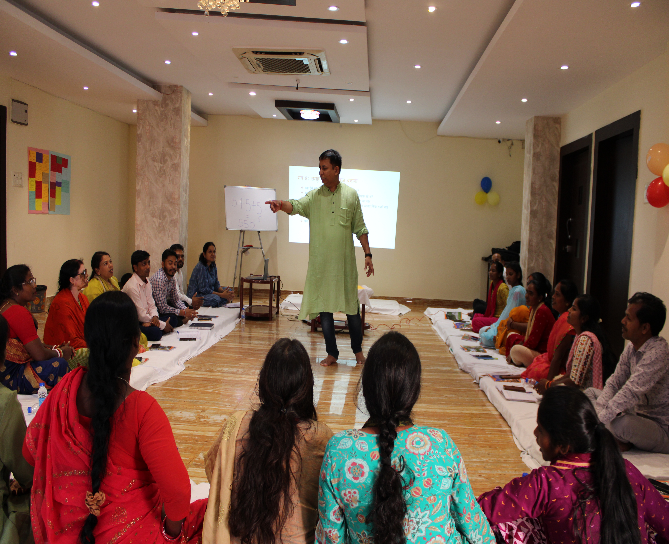
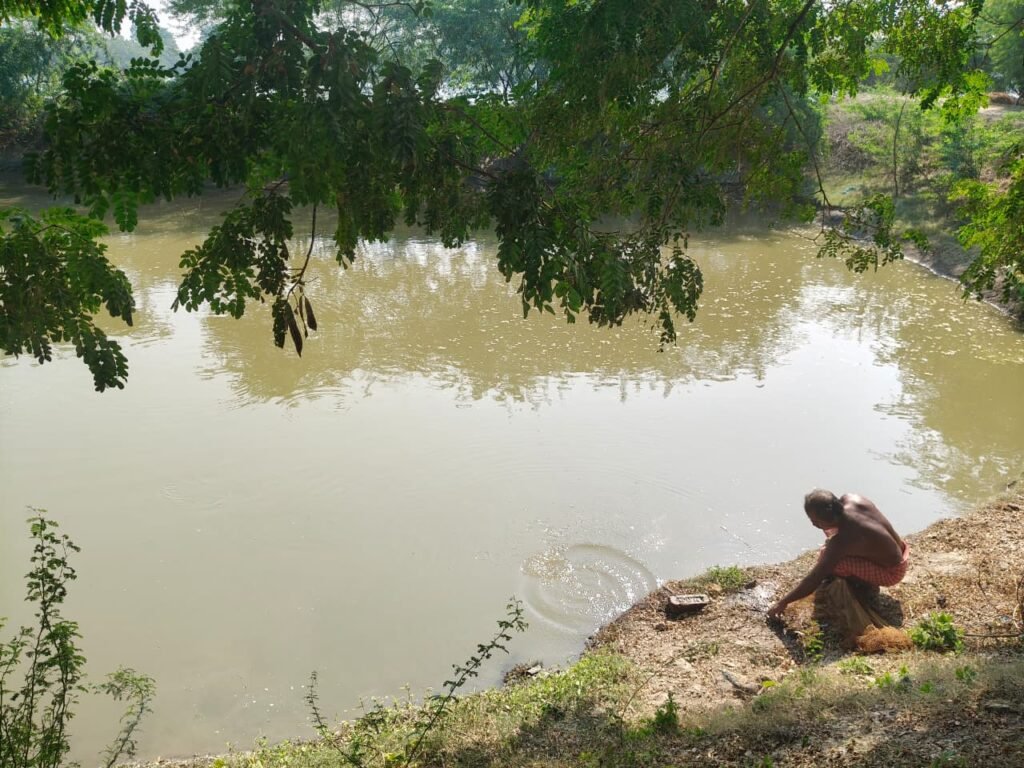
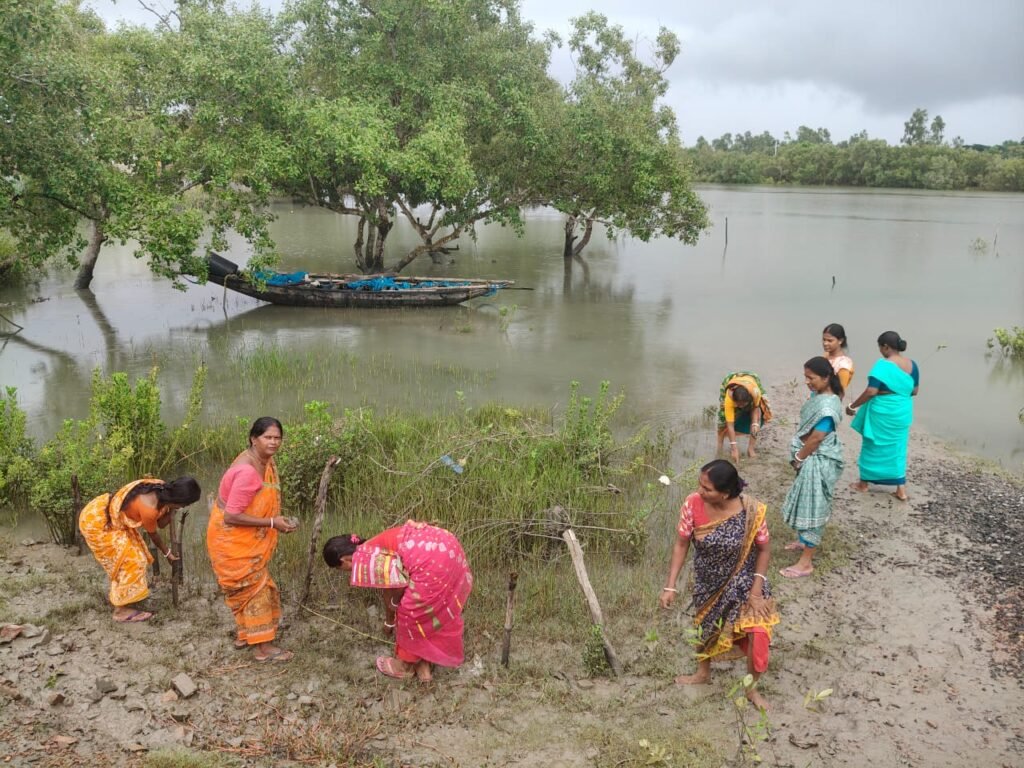
In the climate-vulnerable Sundarban Delta of West Bengal, rising sea levels, cyclones and salinity are increasingly having an adverse impact on the lives and livelihoods of fishing and farming communities. Gram Niyojan Kendra’s Mangrove & Climate-Livelihood Resilience programme works to equip women as agents of change so that they work with their families to protect mangrove ecosystems, strengthen climate awareness and promote nature-based livelihood practices that improve food security and disaster preparedness.

GNK aligned with the vision of the state government to mitigate adverse effects of climate change in this extremely sensitive region. By combining community learning, eco-friendly livelihood support and mangrove conservation, the programme promotes climate resilience by helping families adapt to climate risks while safeguarding the natural resources that protect their villages from floods and storms.

Program Objectives

  • Build climate awareness among women and vulnerable families
  • Promote mangrove conservation and nature-based solutions
  • Support eco-livelihoods and protective farming practices
  • Strengthen disaster preparedness amongst Sunderban Delta communities
  • Improve access to forest and livelihood entitlements

Milestones

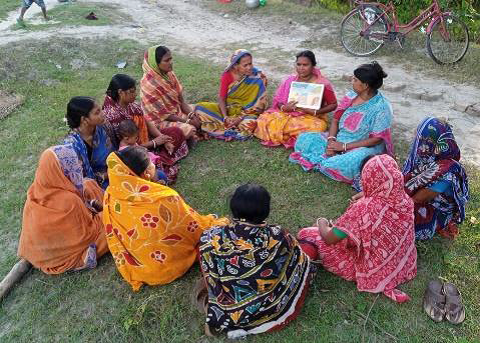
  • 4103 Coastal women and 6015 SHG women have developed a deeper understanding of climate risks, mangrove protection and nature-based solutions, enabling them to actively participate in conservation and disaster preparedness efforts.
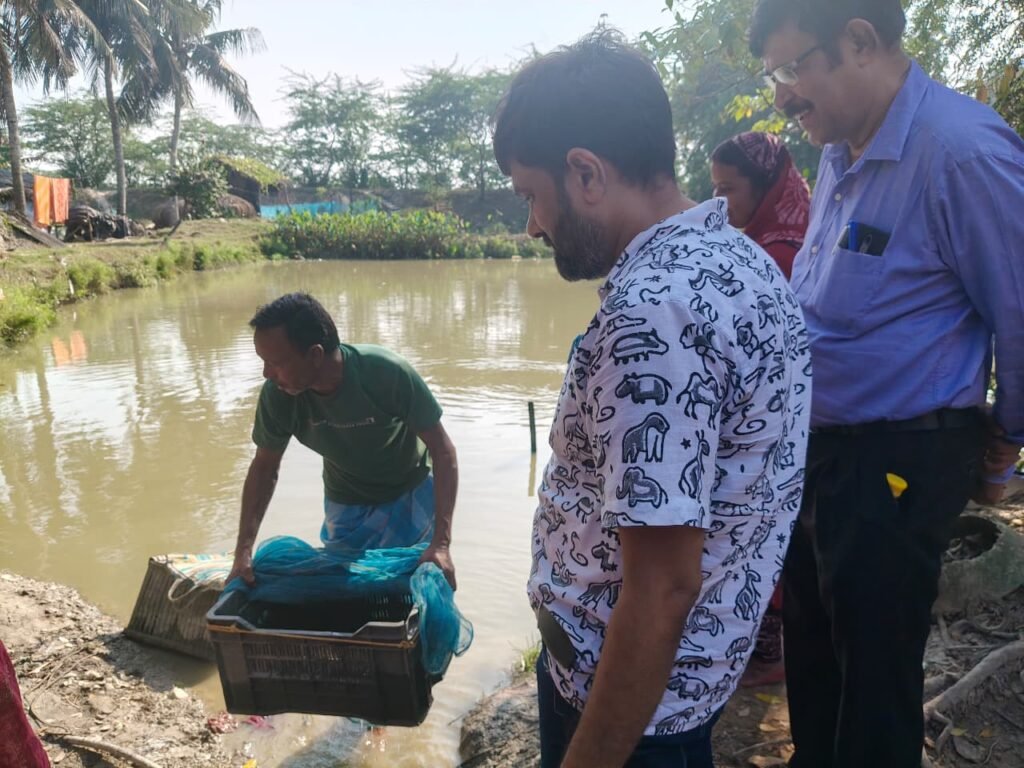
  • 105 SHG women received training – aqua culture and vegetable cultivation.
  • Support provided to 23 Gram Panchayats for inclusion of climate change and mangrove conservation related activities.
  •  Healthy mangrove forest ecosystems support natural resource-based livelihood security and provide ecosystem services to rural communities, including clean air and water benefits, storm surge protection, wave attenuation, and habitat for biodiversity.
  •  Governments and communities support and sustain the continued health of mangrove forest ecosystems.
  • Community-led eco-livelihood and sustainable farming practices have been strengthened, helping families protect incomes while safeguarding mangrove ecosystems that shield villages from floods and cyclones.

Testimonies from community women”

“Our limited interaction with the outside world deprived us of latest developments in the world. Through the GNK trainings and sensitisation sessions we have learnt a lot about climate change and are now implementing some of those learnings in our farming practices.”

Coverage

Sundarban Delta (South 24 Parganas), West Bengal

Our Maps

© Copyright by Gram Niyojan Kendra

Website Development By Astrex Solution.